
The CPA Tax Prep Scam You’ve Never Heard Of
The CPA Tax Prep Scam You've Never Heard Of
A hidden CPA tax prep scam can drain thousands from your refund every year -- quietly, legally on paper, and often without triggering alarms. It does not come from hackers, stolen identities, or foreign crime rings. It comes from across the desk, from the very person you trusted to prepare your return.
Most taxpayers believe that if a return is accepted by the IRS, everything must be fine. That assumption is exactly what allows this scam to survive year after year.
A Firefighter's Story
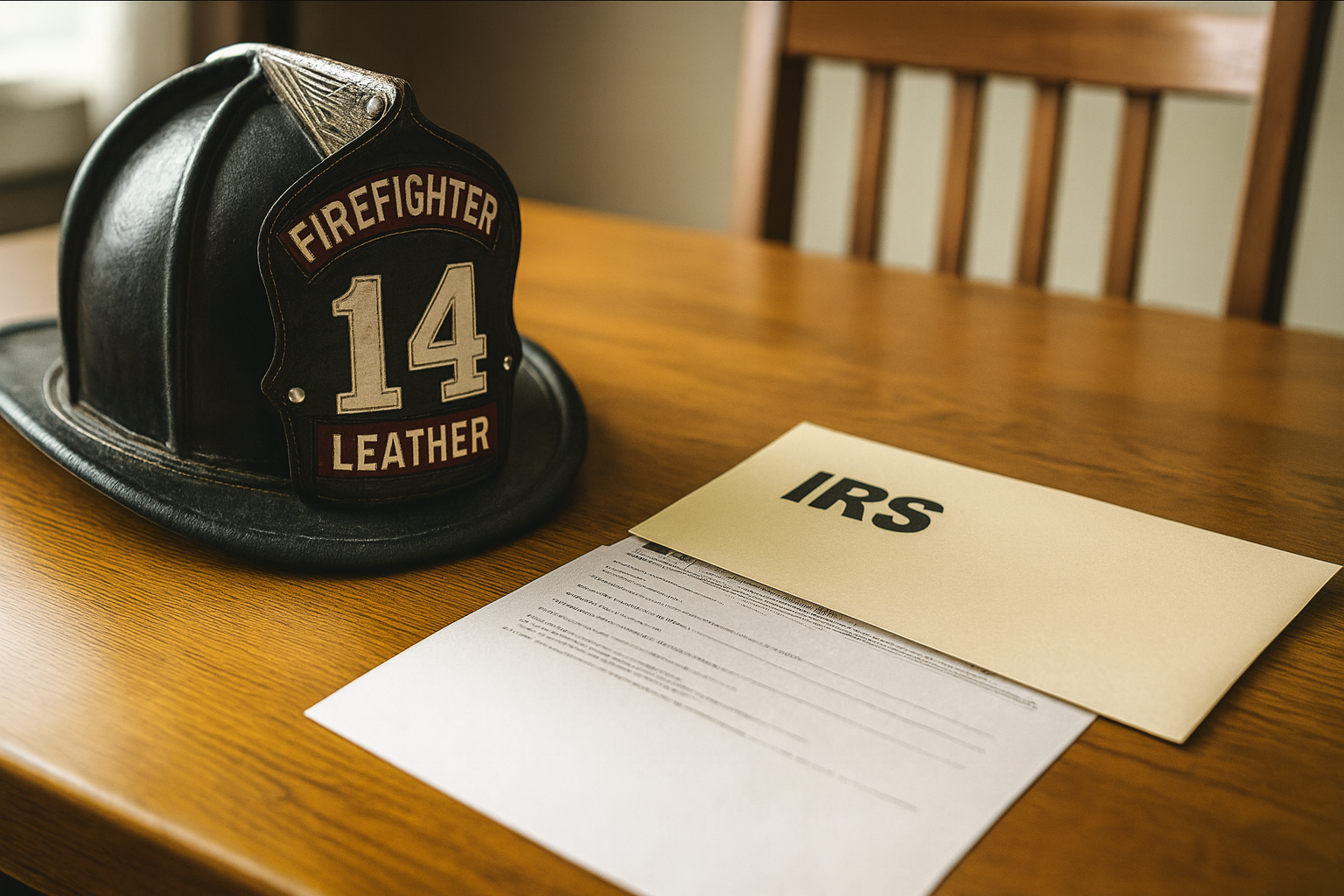
A firefighter came to me confused.
For years, his refund was exactly the same: $3,250. Like clockwork.
Then he earned a promotion. His salary jumped nearly thirty percent. More income meant more withholding. On paper, his refund should have increased. But when tax season came, the deposit did not change. Same number. Same timing. Same amount.
That's when he brought me his return -- nearly two hundred and fifty pages long.
Buried inside that return was the truth: his refund was being redirected before it ever reached him.
Not stolen by hackers. Not intercepted by identity thieves. Quietly siphoned by his own tax preparer.
The Three CPA Tax Prep Scams You Must Know
1. The Ghost Preparer
The ghost preparer inflates your refund using fake or exaggerated deductions and credits. Then they refuse to sign the return. No PTIN. No identifying information. No accountability.
When the IRS audits the return, they do not look for the preparer. They look for you.
Ghost preparers often operate seasonally. They open temporary offices in January, advertise aggressively during refund season, collect fees, and disappear by April. When IRS letters arrive months later, the preparer is gone.
They lure clients with promises of "special credits," "inside knowledge," or "guaranteed refunds." In reality, they fabricate mileage, inflate charitable donations, or claim credits the taxpayer never qualified for.
The refund looks great -- until penalties, interest, and audits arrive.
2. The Account Switch
In this scam, the preparer quietly alters your direct deposit information.
Your refund does not go into your bank account. It goes into theirs -- or into a temporary account they control.
Sometimes they take everything. Other times they only skim a portion. Five hundred here. Twelve hundred there. Enough that you still receive a deposit and do not raise alarms.
The IRS shows the refund as issued. The bank claims the deposit cleared. Everyone points fingers while your money disappears.
By the time you realize what happened, the account is closed and the trail is cold.
3. Refund Reassignment (The Most Dangerous)
This is the scam that trapped my firefighter client.
It sounds reasonable at first:
"We'll just deduct our fee from your refund."
Buried in the paperwork is language giving the preparer control over the entire refund. The IRS sends the full amount to a temporary account managed by the preparer. They deduct their fee, add processing charges, administrative costs, and other vague line items -- then forward what's left to you.
My client's true refund was $6,100.
What he received? $3,250.
Every year. For eight years.
He paid nearly three thousand dollars annually for a service that should have cost a fraction of that -- without ever realizing it.
Why This Scam Works So Well
These preparers do not steal everything. That would be obvious. They leave you with enough to feel satisfied.
They rely on complexity. Most taxpayers do not understand a return that spans hundreds of pages. They assume that volume equals accuracy.
They rely on psychology. People want to believe their CPA has special expertise. They do not want to question a professional. They do not want to feel foolish.
And so they do not ask questions.
Why the IRS Rarely Catches It
- The math adds up on paper.
- The refund transfer appears authorized.
- Pay-from-refund arrangements are marketed as "convenience."
- The IRS focuses on identity theft and large-scale fraud.
By the time anyone notices, the money is gone.
How to Protect Yourself
- Check Line 35a on Form 1040. That's where your refund is deposited.
- Never allow refunds into a preparer-controlled account.
- Demand a flat fee in writing.
- Only use preparers with a valid PTIN.
- Always request a full copy of the return before filing.
If It Already Happened
- File Form 3911 to trace your refund.
- Contact the receiving bank immediately.
- Report the preparer using Form 14157 and Form 14157-A.
- Secure an IRS IP PIN to protect future filings.
The Bigger Truth
Tax scams do not always come from the shadows.
Sometimes they sit across from you at a desk. Sometimes they wear suits. Sometimes they shake your hand and thank you for your business.
Your refund is your money. If you do not protect it, someone else will gladly take it.
Disclaimer: This content is for educational purposes only and does not constitute legal or tax advice. Consult a qualified professional for your specific situation.