
Death of De MINIMUS
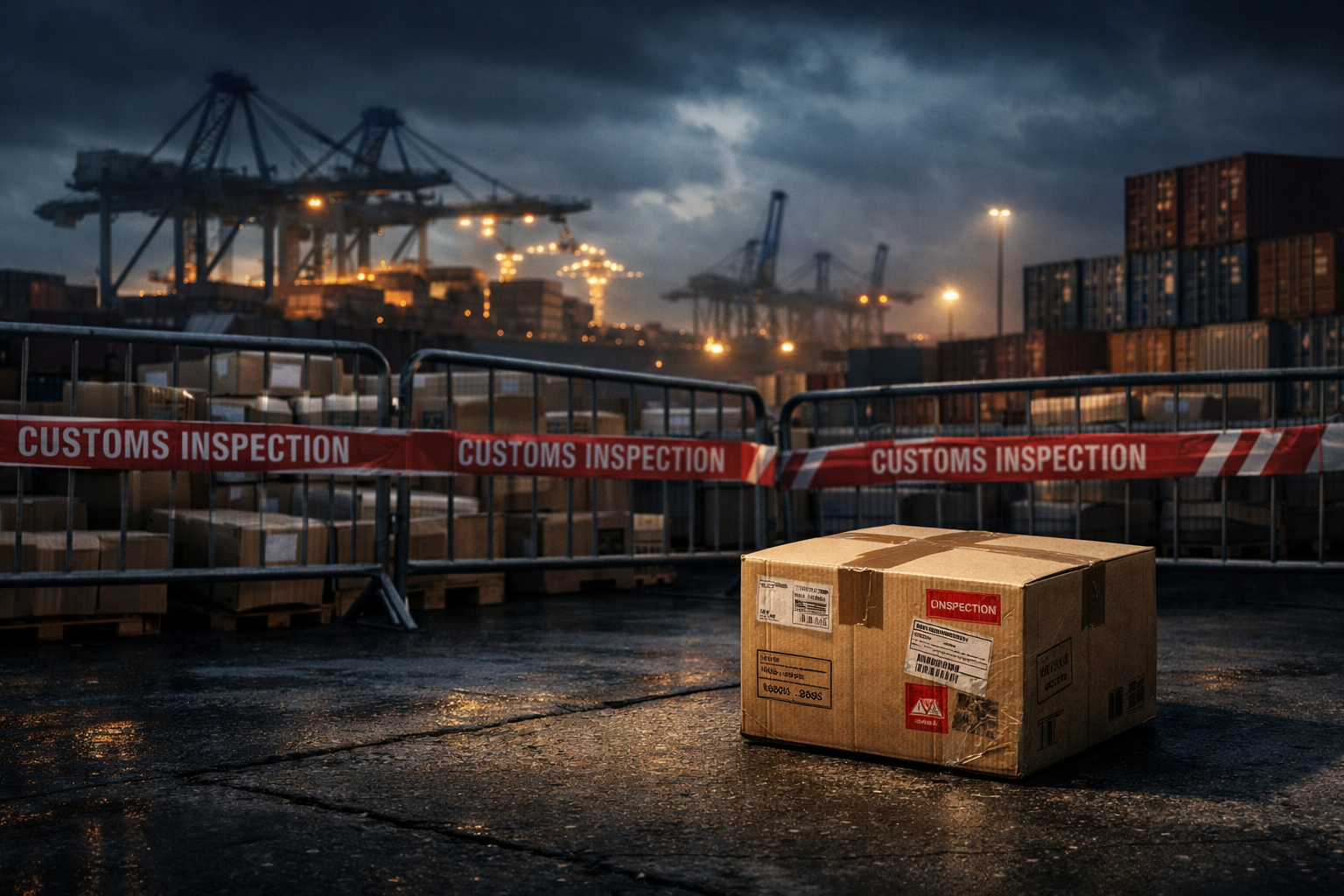
The End of De Minimis
Who Really Pays When the $800 Rule Disappears
For years, the U.S. de minimis rule served as the pressure valve of the American import system. Goods valued under $800 could enter the country without duties or taxes. Most consumers never noticed it. Many businesses quietly depended on it. And the system worked because it reduced friction where friction made no economic sense.
De minimis gave importers flexibility, allowed small businesses to test products without front-loading risk, and gave consumers access to affordable global goods. It kept commerce moving.
Now it’s gone.
And what replaces it is not efficiency — it’s cost, delay, and consolidation.
What De Minimis Was — and Why It Mattered
De minimis wasn’t a loophole. It was a policy decision rooted in reality. Collecting duties on low-value shipments often costs more than the revenue generated. Instead of clogging ports and customs offices, the system allowed small packages to flow.
That decision fueled modern e-commerce. Importers moved smaller lots. Small businesses tested ideas without betting the company. Consumers accessed niche products the domestic supply chain never carried.
De minimis didn’t just move goods. It moved opportunity.
The End of De Minimis — Who Pays the Price?
Importers
Without de minimis, every shipment faces duty assessment, paperwork, and clearance delays. Per-unit costs rise. Administrative overhead multiplies. Margins shrink.
Errors become expensive. Cash flow tightens as inventory sits longer at the border. Importing still exists — but forgiveness is gone.
Small Businesses
For small operators, de minimis was survival. It allowed sample runs, gradual scaling, and experimentation. Larger players can absorb new costs. Small ones can’t.
The result is predictable: fewer competitors, less innovation, and more consolidation.
Consumers
Trade policy always shows up at checkout. Higher import costs become higher prices. When prices rise too far, products disappear.
Niche goods vanish first. Direct-from-overseas buying fades. Choice narrows.
The Ripple Effect
E-commerce platforms tighten seller access. Shipping slows as customs reviews every package. Gray-market workarounds appear as businesses scramble to survive.
Where friction rises, enforcement follows.
What This Means in Practice
A $50 overseas gadget now arrives with $20–$30 in added duties. A $500 specialty import can lose its entire profit margin. Administrative costs balloon on shipments that were once routine.
These are not hypotheticals. They are daily realities.
How to Survive the Post-De-Minimis World
- Strategic sourcing: consolidate shipments to reduce per-unit cost
- Tariff engineering: lawful classification and structuring matter now
- Domestic alternatives: predictability has value
- Pricing discipline: build duty costs in early
Conclusion
The end of de minimis is not a tweak. It is the removal of breathing room.
Importers absorb pressure. Small businesses lose leverage. Consumers pay quietly.
Those who adapt survive. Those who don’t will feel the cost where it always lands — at checkout.
Disclaimer: Educational content only. Not legal or tax advice.